
Our History and Mission
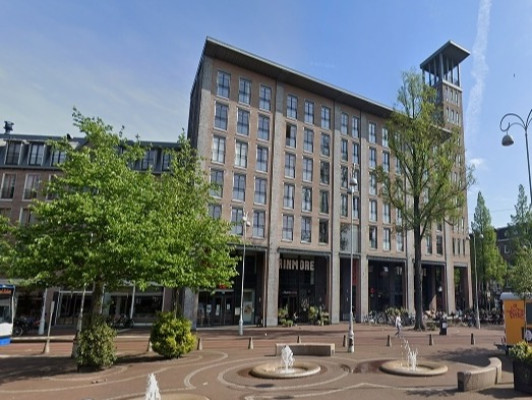
Stichting Volksuniversiteit Amsterdam was founded in 1913 to make academic knowledge accessible to anyone interested. Access to higher education at that time was limited by diploma requirements and, above all, by financial constraints. Sending a son or daughter to university was a sacrifice the entire family had to bear. This often meant that only one family member could study, while the others worked to cover the costs. Fortunately, those times have changed, and access to universities and universities of applied sciences is now only limited by diploma requirements.
Early Years and Growth
Volksuniversiteit Amsterdam had a flying start in 1913, offering mainly lectures by professors. From the 1970s onward, many language courses and general interest courses were added, as increased leisure time meant people could travel abroad and pursue hobbies. With the arrival of new Dutch citizens, NT2 courses (Dutch as a second language) became increasingly important. The language offering of the Volksuniversiteit was expanded to include NT2.
Current Course Offering
Today, our course offering is very broad. Each year, we provide around 750 different courses across various fields — from languages to personal development, from monastery retreats to decluttering workshops, from sustainable construction to organic urban gardening. We now offer courses both online and offline, at multiple locations in Amsterdam and online via Zoom. Everyone aged 18 and older is welcome, regardless of background, age, or educational level.
Since 2020, our Platform has allowed individuals to register as course providers — especially those with expertise in a specific field who may not be formally trained as teachers but do have valuable knowledge to share. Volksuniversiteit Amsterdam supports these course providers with tips and guidance to help them create engaging and enjoyable presentations.
Funding and Independence
After 2010, subsidies for the Volksuniversiteit became increasingly limited to NT2 courses only. In 2016, the municipality fully discontinued subsidies for Volksuniversiteit Amsterdam. Since then, we have operated independently. Our mission remains unchanged: to offer individuals access to knowledge and skills across a wide range of subjects, helping them move forward.
Since 2016, course fees for participants have been equal to the actual cost of organizing the course. For “free” offerings, other subsidized channels are available, such as the OBA and various municipal organizations. Thanks to occasional donations, we can sometimes offer projects in which participants can attend lectures or courses free of charge.
Organization and Costs
We are a non-profit foundation, and our budget is designed to break even at the end of the year. The costs of a course consist of the following components: instructor salary, location rental, paid staff of Volksuniversiteit Amsterdam, and marketing to promote the course offering. The minimum number of participants required to start a course group is determined by the combined costs of the instructor and the location. Once those direct costs are covered, a group can begin.
Our Mission
We aim to ensure that our course offering closely aligns with the wishes and needs of Amsterdam residents. At the same time, we strive to bring Amsterdammers closer together by sharing knowledge about the city and its people. Through registrations for our online courses, we see that many people outside Amsterdam are also enthusiastic and eager to participate. Thanks to our quality assurance, we know that our more than 750 courses consistently receive an average rating above 8, as do our 160 instructors.
Documentary:
“The Era of the Volksuniversiteit: From Popular Enlightenment to Education” 111 years of history means a wealth of stories. Documentary makers Jielis G. van Baalen and Bart Schut have explored the rich history of the Volksuniversiteiten, resulting in a fascinating three‑part documentary. Curious to watch it? You can view all three parts below (content available only in Dutch).
Part one: “De tijd van de Volksuniversiteit, van volksverheffing tot educatie”
Part two: "Van crisis tot bezetting"
Part three: "Van vormingsideaal tot permanente educatie"
Populaire cursussen
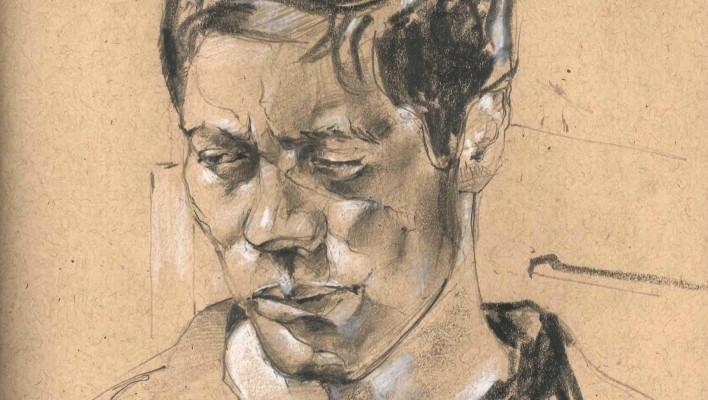

In deze workshop Portrettekenen maak je kennis met de technieken en vaardigheden die nodig zijn om een overtuigend en levendig portret te tekenen.
€ 75,00
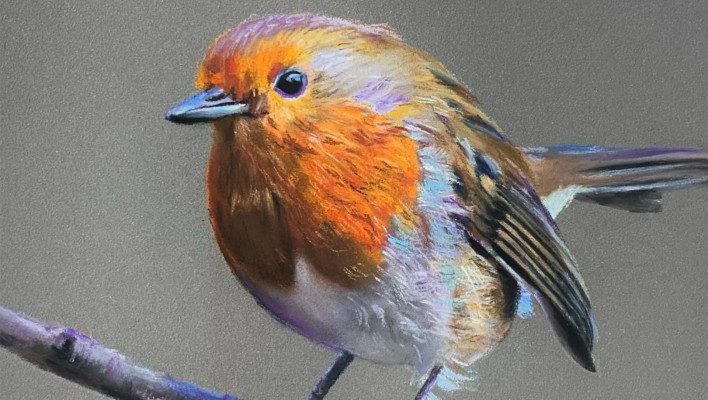
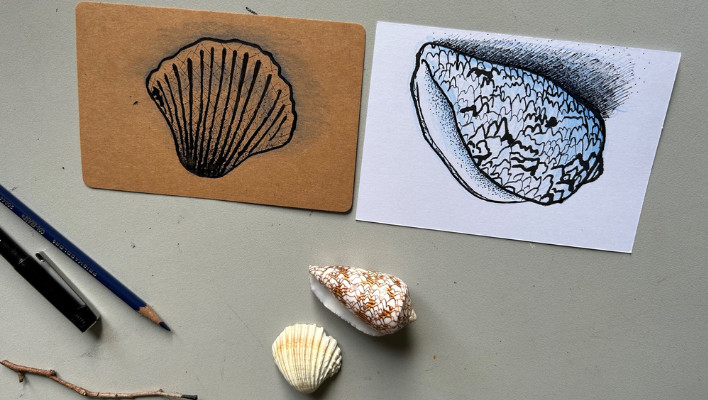
Iedereen kan tekenen! Met plezier tekenen begint met goed kijken en bestuderen wat je ziet.
€ 315,00
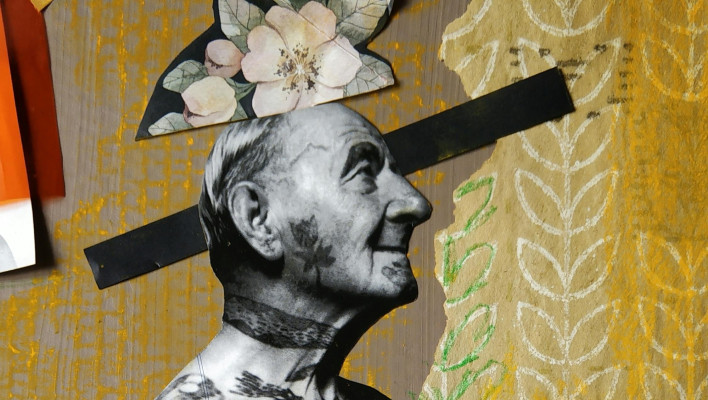
De Collage Working Club (CWC) is een werkplek voor iedereen die wil ontdekken wat collage kan zijn.
€ 145,00

Communicatie, uitwisselen van informatie, het lijkt zo eenvoudig. Hoe komt het dan toch dat het soms anders loopt dan we bedoelen?
€ 131,50
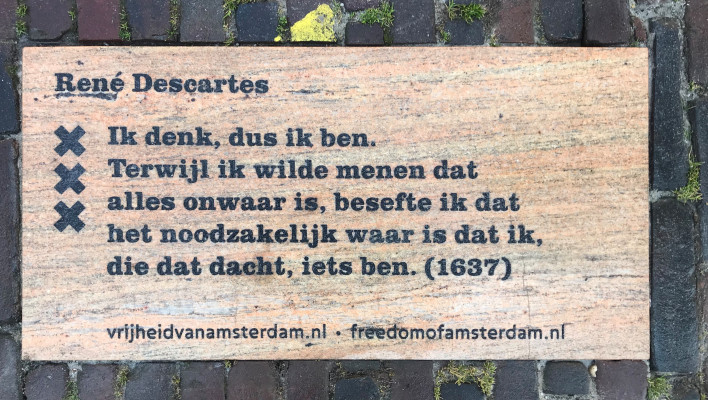
Wandel met een gids langs 6 filosofietegels in hartje Amsterdam met citaten van filosofen zoals Descartes, Hobbes en Spinoza.
€ 32,50


Je hoeft geen zangervaring te hebben – deze reis is voor iedereen met een nieuwsgierigheid naar de helende kracht van je eigen stem.